PTFE Seal Design Guide (FlexiSeal® Solutions)
PTFE seals are engineered for applications where conventional sealing materials fail due to extreme temperatures, aggressive chemicals, or high friction demands. This guide explains how PTFE sealing solutions such as FlexiSeal® perform across industries and how to select the right design.
What Are PTFE Seals?
PTFE (polytetrafluoroethylene) seals are high-performance sealing components designed for harsh operating environments. They offer exceptional resistance to chemicals, temperature, and wear.
FlexiSeal® PTFE seals are widely used in:
- Fluid power systems
- Aerospace and automotive applications
- Oil & gas equipment
- Life sciences and renewable energy system
Key Benefits of PTFE Sealing Solutions
- Wide temperature range: Cryogenic to +300°C
- Excellent chemical resistance (ideal for aggressive media)
- Low friction performance for dynamic sealing
- Long service life in extreme environments
- These properties make PTFE seals ideal where elastomers and traditional seals fail
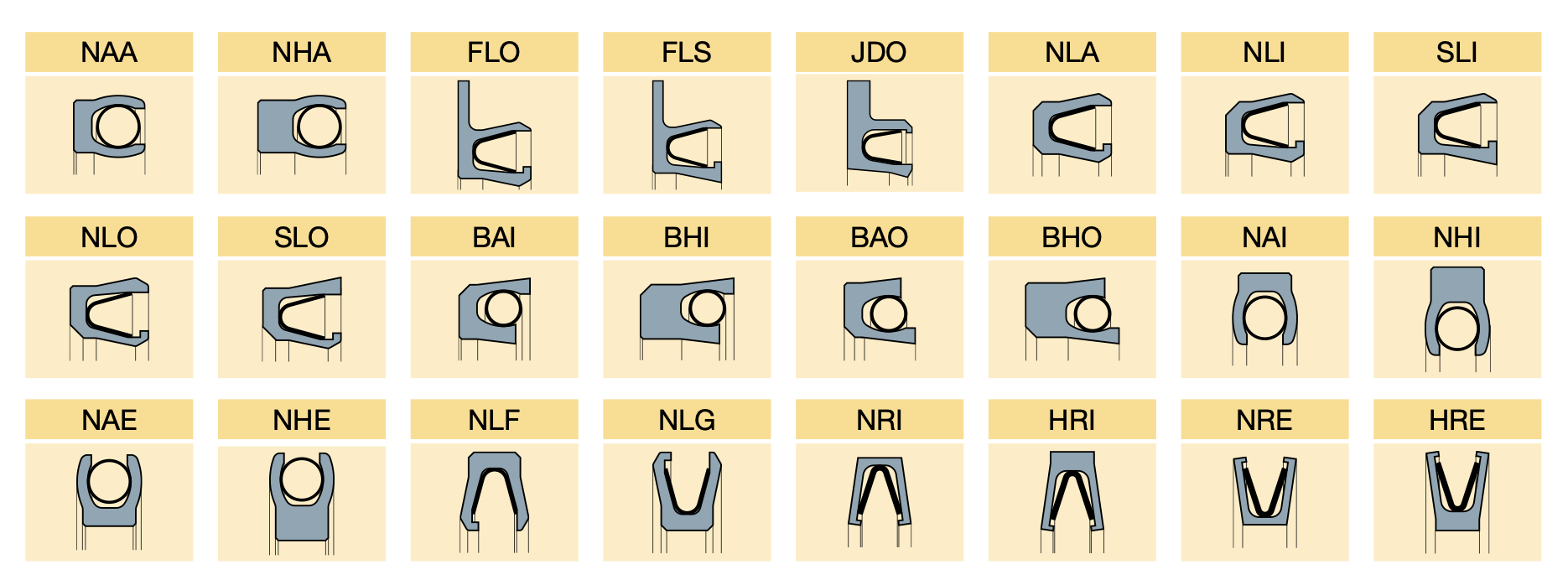
FlexiSeal® Design Types & Applications
FlexiSeal® seals are available in a variety of profiles depending on application:
Static Sealing
- Used in non-moving assemblies
- Ideal for high-pressure containment
Rotary Sealing
- Designed for rotating shafts
- Common in pumps and compressors
Reciprocating Sealing
- Used in hydraulic and pneumatic cylinders
- Handles repeated linear motion
FlexiSeal® products can be supplied in standard or custom sizes, enabling tailored solutions for complex engineering requirements
Materials & PTFE Compounds
PTFE seals can be manufactured from:
- Virgin PTFE
- Filled PTFE (e.g. glass, carbon, bronze)
- Advanced polymers like PEEK for extreme loads
Material selection depends on:
- Pressure and speed
- Chemical exposure
- Temperature range
- Wear resistance requirements
Design Considerations for PTFE Seals
When designing PTFE seals, consider:
- Pressure and load conditions
- Surface finish and mating components
- Operating speed (dynamic vs static)
- Thermal expansion and deformation
- Media compatibility
Custom engineering support is often required for non-standard applications or extreme conditions. They are suitable for use in harsh environments with temperatures ranging from cryogenic to 300 degrees C.
Flexiseals are available in standard or custom sizes, in a wide variety of profiles for reciprocating, rotary or static applications.
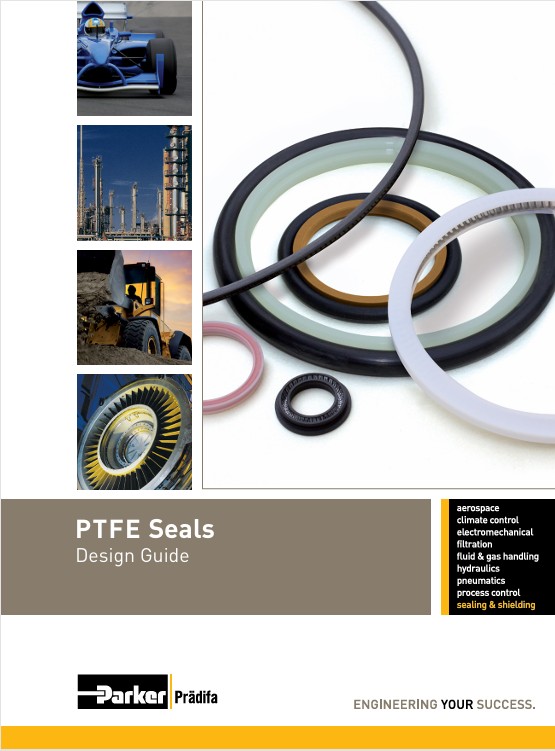
View and dwnload the brochure below
PTFE-Seals-Design-Guide.pdf
Industries Using PTFE Seals
PTFE sealing solutions are used across:
- Oil & Gas
- Aerospace
- Automotive
- Chemical processing
- Food & pharmaceutical manufacturing
Their ability to withstand aggressive media and high temperatures makes them essential in critical systems.
Need Help Choosing a PTFE Seal?
Ashton Seals provides expert support in selecting and designing PTFE sealing solutions tailored to your application.
Contact our team for technical guidance or bespoke seal design ask@ashton-group.co.uk / T: +44 (0) 1226 273700
FAQ's
1. What is a PTFE seal used for?
PTFE seals are used in applications involving high temperatures, aggressive chemicals, and demanding operating conditions where traditional rubber seals would fail.
2. What temperature range can PTFE seals handle?
PTFE seals typically operate between -200°C and +260°C, making them suitable for both cryogenic and high-temperature environments.
3. What are the main advantages of PTFE seals?
PTFE seals offer excellent chemical resistance, low friction, a wide temperature range, and long service life, even in harsh conditions.
4. What types of PTFE seals are available?
Common types include static seals, rotary seals, reciprocating seals, and spring-energised seals (FlexiSeal®) for high-performance applications.
5. How do you choose the right PTFE seal?
The right PTFE seal depends on temperature, pressure, motion type, and chemical exposure, so it’s important to match the seal design to your specific application.