Rod & Piston Seals – Hydraulic & Pneumatic Cylinder Sealing Solutions
Ashton Seals supplies high-performance rod seals and piston seals designed for use in hydraulic and pneumatic cylinders across a wide range of industrial applications. These critical sealing components ensure leak-free operation, pressure retention, and system efficiency, even in demanding environments.
In fluid power systems, seals are essential for controlling the movement of pressurised fluids and gases, enabling machinery to generate force and motion through hydraulic or pneumatic cylinders.
What Are Rod & Piston Seals?
Rod seals are installed on the piston rod of a cylinder to prevent leakage of fluid to the outside, while also helping to protect against contamination.
Piston seals are located on the piston head and prevent fluid from passing between pressure zones inside the cylinder, ensuring efficient operation and maintaining system pressure.
Together, these seals form a critical part of dynamic sealing systems, enabling reliable performance in reciprocating applications.
Rod Seals
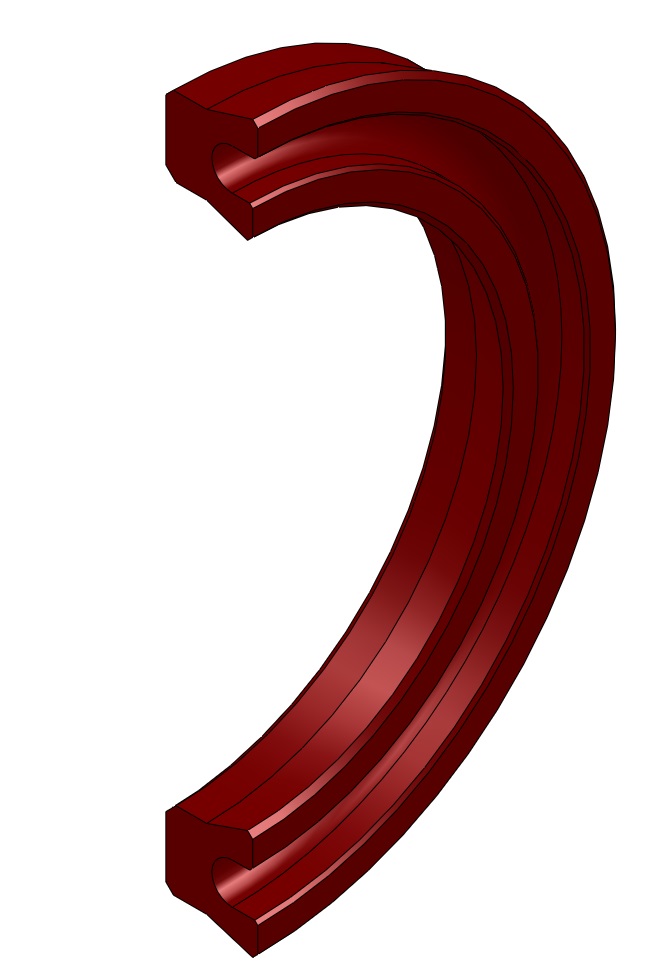
- Good Wear Resistance
- Easy installation
- High temperature resistance
- Excellent media resistance
- Suitable compounds available for the special requirements of the chemical processing industry
- Suitable compounds available for the special requirements of the food processing industry
Piston Seals
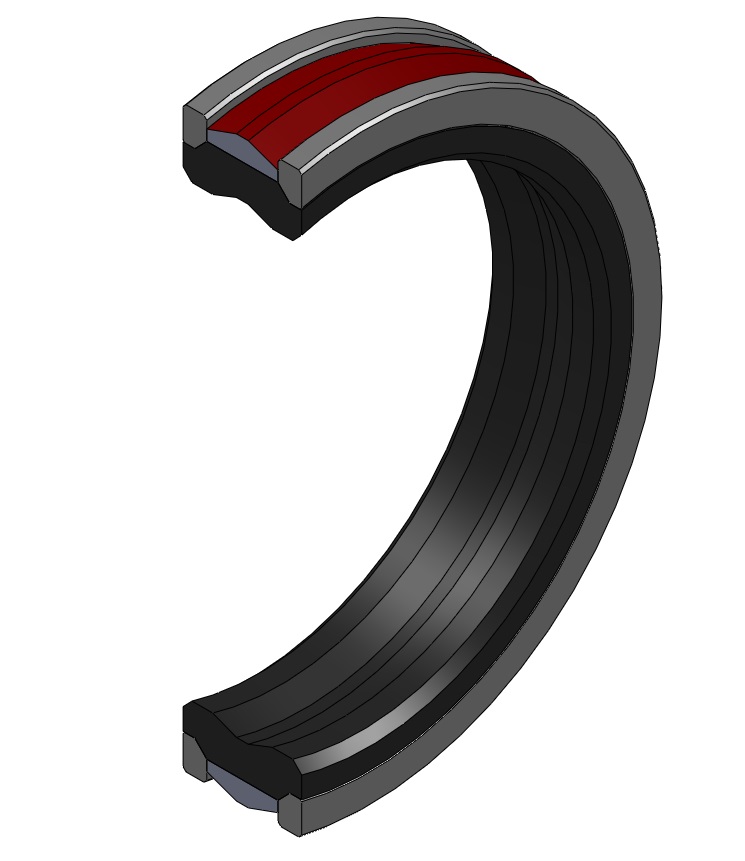
- Good Wear Resistance
- Easy installation
- Suitable for fully automatic installation
- Assembly on one-part piston is possible
- High temperature resistance
- Excellent media resistance
- Suitable compounds available for the special requirements of the chemical processing industry
- Suitable compounds available for the special requirements of the food processing industry
Applications for Hydraulic & Pneumatic Seals
Rod and piston seals are widely used in systems where fluid power is used to generate motion, including:
- Hydraulic cylinders and actuators
- Pneumatic systems and automation equipment
- Construction, agricultural, and mobile machinery
- Manufacturing and industrial processing equipment
By maintaining pressure and preventing leakage, these seals ensure reliable and efficient operation across a variety of industries.
Materials & Performance Options
A range of materials are available to suit different applications and environments, including:
- Polyurethane (PU) for excellent wear resistance
- Nitrile (NBR), FKM, and EPDM for flexibility and chemical resistance
- PTFE for low friction and high-performance applications
Material selection depends on pressure, temperature, speed, and media compatibility, ensuring optimal performance in both hydraulic and pneumatic systems.
FAQs
1. What are rod seals and piston seals?
Rod seals and piston seals are essential components used in hydraulic and pneumatic cylinders. Rod seals prevent fluid from leaking out of the cylinder, while piston seals control pressure between chambers to ensure efficient system operation.
2. What are rod seals used for?
Rod seals are used to seal the piston rod as it moves in and out of a cylinder. They help prevent fluid leakage and protect the system from contamination, ensuring reliable performance in hydraulic and pneumatic applications.
3. What are piston seals used for?
Piston seals are installed on the piston head and are used to maintain pressure between different chambers within a cylinder. This allows systems to generate force and operate efficiently in fluid power applications.
4. What are the benefits of rod and piston seals?
Key advantages of hydraulic cylinder seals include:
Reliable leak prevention and pressure control
High resistance to wear and harsh operating conditions
Improved system efficiency and performance
Long service life with reduced maintenance
5. What materials are used in rod and piston seals?
Rod and piston seals are typically made from:
- Polyurethane (PU) for durability and wear resistance
- Rubber compounds (NBR, FKM, EPDM) for flexibility and chemical resistance
- PTFE for low friction and high-performance sealing
Material selection depends on pressure, temperature, and application requirements.