Parker Ultra FFKM FF370-78 for Semiconductor Plasma Applications
Parker Ultra FFKM FF370-78: High-Performance Sealing for Semiconductor Plasma Environments
Product Features:
- Non-filled
- Minimal metallic ion content
- Ultra high purity and low extractables
- Minimal particle generation
- Very low erosion rate with excellent resistance to fluorine and plasmas
- Excellent performance upto 300oC
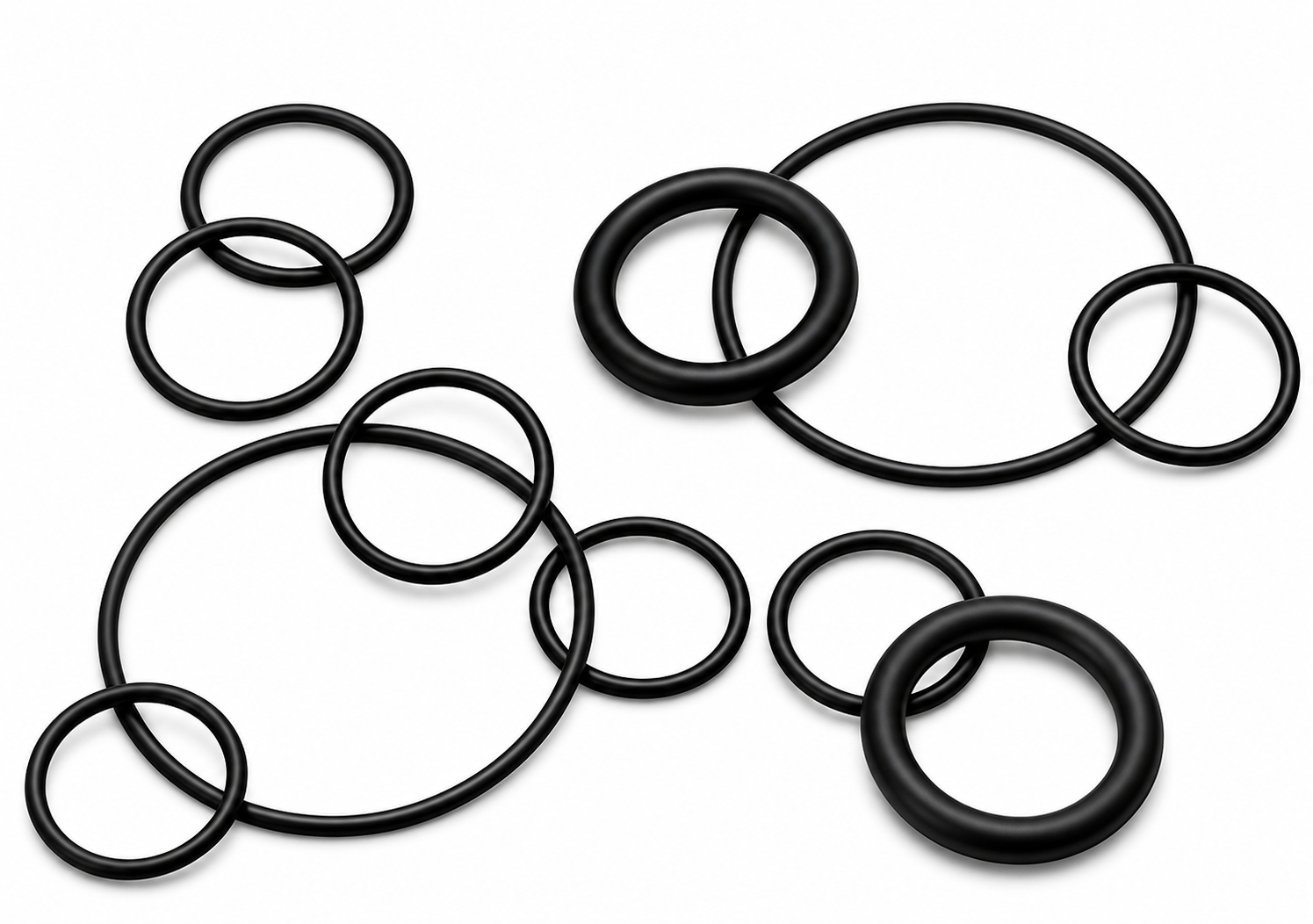
Advanced Perfluoroelastomer Sealing for Semiconductor Manufacturing
Parker Ultra FFKM FF370-78 is a perfluoroelastomer (FFKM) sealing material designed for demanding industrial sealing applications where chemical compatibility, thermal resistance, and sealing reliability are critical. In semiconductor manufacturing, where high-purity process conditions and aggressive plasma chemistries can challenge conventional elastomer seals, selecting the appropriate FFKM O-ring material is essential for maintaining equipment performance and process integrity.
For semiconductor processing equipment exposed to demanding chemical and plasma environments, Parker Ultra FFKM FF370-78 can be considered for suitable sealing applications where contamination control, material durability, and dependable sealing performance are key requirements. Material selection should be based on the specific process chemistry, operating temperature, plasma exposure, and equipment design.
Key Features of Parker Ultra FFKM FF370-78
1. Chemical Resistance for Aggressive Process Environments
Semiconductor fabrication involves exposure to various process gases, cleaning chemicals, and reactive substances. FFKM sealing materials are selected for their broad chemical resistance compared with many conventional elastomers. Parker Ultra FFKM FF370-78 may be suitable for compatible process environments where chemical stability and long-term seal performance are required. Always verify compatibility against the specific process media and operating conditions.
2. Sealing Performance in High-Purity Applications
High-purity semiconductor processes require reliable sealing solutions to help prevent unwanted leakage and process contamination. Properly selected and installed FFKM O-rings can support effective sealing in compatible process equipment, helping maintain system integrity and reduce the risk of process interruptions.
3. Applications in Plasma Processing Equipment
Plasma-based semiconductor processes can expose sealing components to chemically aggressive species, elevated temperatures, and demanding operating conditions. The suitability of Parker Ultra FFKM FF370-78 for plasma-facing or plasma-adjacent applications depends on the specific plasma chemistry, exposure intensity, temperature, and seal location within the equipment.
4. Support for Equipment Reliability
Seal degradation can contribute to maintenance requirements, unplanned equipment downtime, and process interruptions. Selecting an appropriate FFKM sealing material for the application can help support reliable equipment operation and maintenance planning. Actual service life depends on installation, process conditions, chemical exposure, and equipment design.
Applications of Parker Ultra FFKM FF370-78 in Semiconductor Manufacturing
Depending on verified material compatibility and equipment requirements, FFKM sealing materials may be considered for applications such as:
- Semiconductor plasma etching equipment
- Plasma-enhanced process systems
- Chemical vapour deposition (CVD) equipment
- Semiconductor vacuum processing systems
- Process gas delivery and chemical handling equipment
- High-purity semiconductor manufacturing environments
- Selected wafer processing and chamber sealing applications
The suitability of FF370-78 for each application should be confirmed using the manufacturer's technical documentation and the actual operating conditions.
Why Choose FFKM Seals for Semiconductor Equipment?Perfluoroelastomer seals are used in demanding semiconductor applications because they can offer a combination of chemical resistance, thermal capability, and sealing reliability. Compared with conventional elastomer materials, suitable FFKM compounds can provide improved resistance to many aggressive chemicals and process media.
However, performance varies between compounds. Plasma resistance, particle generation, extractables, permeation, compression set, and thermal limits must be evaluated for the intended process. Choosing the correct material helps support process consistency, equipment availability, and contamination-control objectives.
Parker Ultra FFKM FF370-78: Material Selection Considerations
Before specifying Parker Ultra FFKM FF370-78 for a semiconductor application, consider the following factors:
- Process chemistry: Identify all process gases, chemicals, cleaning agents, and potential reaction products.
- Operating temperature: Confirm the material's allowable temperature range using current manufacturer specifications.
- Plasma exposure: Evaluate whether the seal is directly exposed to plasma or located in a protected area.
- Purity requirements: Review applicable requirements for contamination control, extractables, and particle generation.
- Mechanical conditions: Assess gland design, compression, pressure, vacuum conditions, and installation requirements.
- Maintenance expectations: Consider process cycles, cleaning frequency, replacement intervals, and operating conditions.
These factors help determine whether FF370-78 is the appropriate compound for the intended sealing application.
For full catalogue click here - ORD-5753
Frequently Asked Questions
1.What is Parker Ultra FFKM FF370-78?
Parker Ultra FFKM FF370-78 is identified as a Parker perfluoroelastomer sealing material. Its suitability for a specific semiconductor application should be confirmed against the manufacturer's current product specifications and compatibility guidance.
2.Is FFKM suitable for semiconductor plasma environments?
Certain FFKM compounds are used in semiconductor equipment because of their chemical and thermal resistance. However, plasma compatibility varies by compound, plasma chemistry, exposure conditions, and seal location. Application-specific verification is essential.
3.Can Parker Ultra FFKM FF370-78 be used in high-purity semiconductor applications?
It may be considered where the compound's verified material properties meet the process requirements. High-purity suitability should be evaluated using relevant manufacturer documentation and the equipment manufacturer's requirements.
4.What should be checked before selecting FF370-78?
Important considerations include chemical compatibility, temperature limits, plasma exposure, vacuum performance, contamination requirements, mechanical loading, and the dimensions of the required seal.