RADIAL/ROTARY SHAFT SEALS
Radial Shaft Seals
High-Performance Radial Shaft Seals for Reliable Rotary Applications
The Ashton Group supplies high-quality radial shaft seals, also known as rotary seals, oil seals, or lip seals, designed to provide reliable sealing around rotating shafts and bores.
Radial shaft seals are essential components in rotating equipment, helping to retain lubricants such as oil and grease while preventing the ingress of dust, dirt, water, and other contaminants. With the right seal design and material, they can help improve equipment reliability, reduce maintenance requirements, and extend component service life.
Whether you require a standard radial shaft seal or a sealing solution for a demanding industrial application, The Ashton Group can help you identify the right product for your operating conditions.
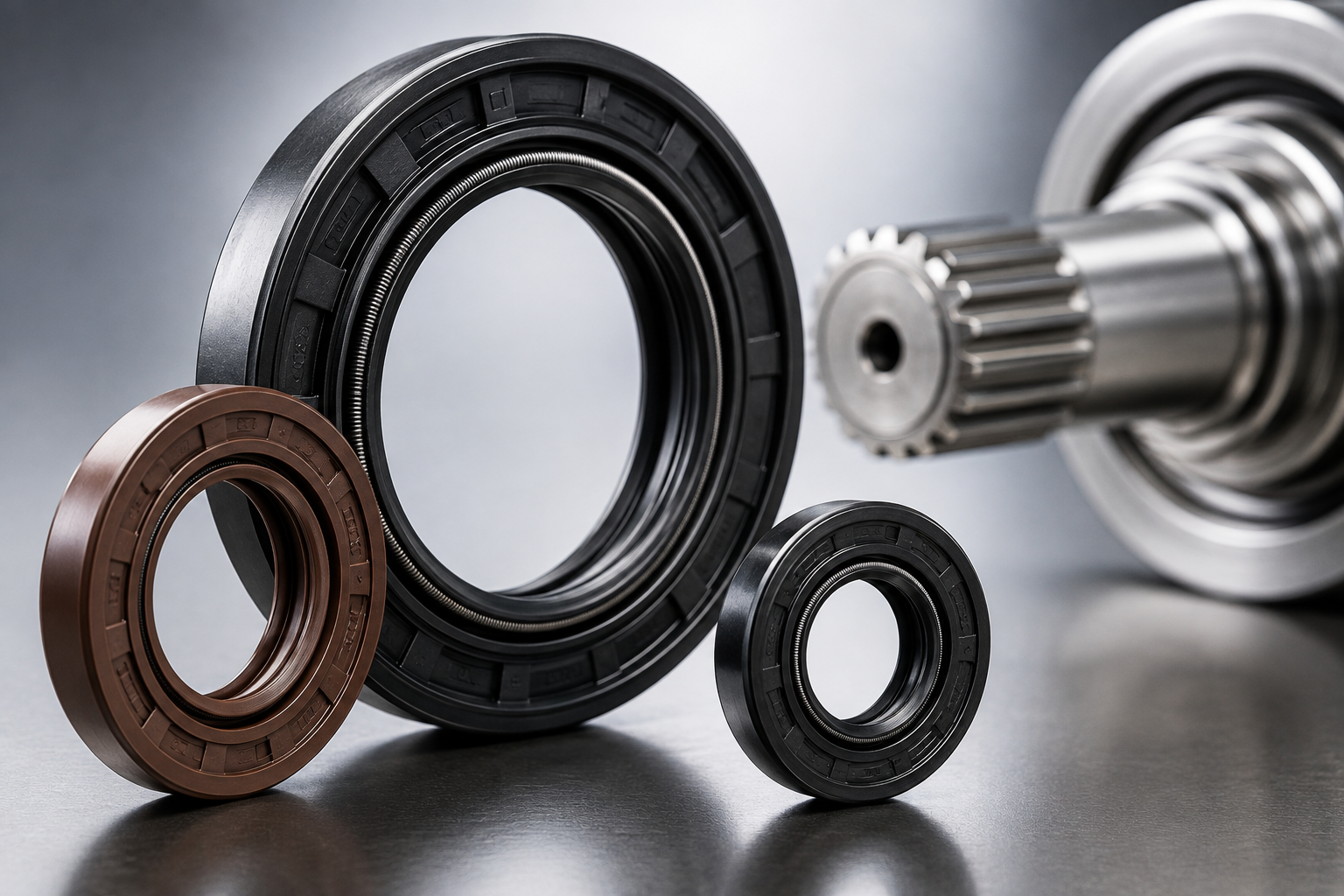
What Is a Radial Shaft Seal?
A radial shaft seal is a mechanical seal used to seal the interface between a stationary housing and a rotating shaft. The seal incorporates a flexible sealing lip that maintains contact with the rotating shaft, creating a barrier against lubricant leakage and external contamination.
Also commonly referred to as rotary shaft seals, oil seals, or lip seals, these components are widely used in machinery where shafts rotate continuously or intermittently.
The correct radial shaft seal can provide effective sealing performance across a wide range of operating speeds, temperatures, lubricants, and environmental conditions.
How Do Radial Shaft Seals Work?
Radial shaft seals work by maintaining controlled contact between the sealing lip and the rotating shaft surface.
The sealing lip creates a dynamic sealing interface that:
- Retains oil, grease, and other lubricants
- Prevents dust and dirt from entering machinery
- Helps protect bearings and other internal components
- Reduces lubricant loss and potential leakage
- Supports reliable operation of rotating equipment
Depending on the application, radial shaft seals can incorporate additional protection features, such as a secondary dust lip, to provide increased resistance against contamination.
Types of Radial Shaft Seals
The Ashton Group can provide radial shaft sealing solutions in a range of designs and materials to suit different applications.
Single-Lip Radial Shaft Seals
Single-lip seals are primarily designed to retain lubricants and provide effective sealing between a rotating shaft and stationary housing.
Double-Lip Radial Shaft Seals
Double-lip seals incorporate an additional protective lip to help prevent contaminants such as dust, dirt, and moisture from reaching the primary sealing lip.
High-Temperature Rotary Seals
For applications exposed to elevated temperatures, specialist materials can provide improved resistance to heat and demanding operating conditions.
Specialist Radial Shaft Seals
Where standard seals are not suitable, application-specific designs and materials can be considered for challenging requirements involving high speeds, unusual dimensions, aggressive media, or demanding environmental conditions.
Radial Shaft Seal Materials
Selecting the correct material is critical to the performance and service life of a rotary shaft seal.
Common materials include:
- NBR (Nitrile Rubber)NBR is widely used for general-purpose oil seals and offers good resistance to mineral oils and greases
- FKM (Fluoroelastomer)FKM is suited to applications requiring improved temperature resistance and compatibility with a wider range of fluids.
- EPDM EPDM provides good resistance to water, steam, weathering, and certain chemicals, making it suitable for specific industrial environments.
- PTFE (Polytetrafluoroethylene) PTFE offers excellent chemical and temperature resistance and can be used in demanding sealing applications.
The appropriate material depends on factors including operating temperature, rotational speed, shaft surface, lubricant or media, pressure, and environmental exposure.
Applications for Radial Shaft Seals
Radial shaft seals are used across numerous industries and types of rotating equipment, including:
- Electric motors
- Gearboxes and transmissions
- Pumps
- Compressors
- Bearings and bearing housings
- Agricultural machinery
- Construction equipment
- Automotive applications
- Industrial machinery
- Manufacturing equipment
- Hydraulic and pneumatic equipment
- Rotating shafts and assemblies
Their versatility makes radial shaft seals a key component in applications where lubricant retention and contamination protection are essential.
Selecting the right radial shaft seal
Choosing the correct rotary shaft seal requires more than simply matching the shaft diameter. Several operating conditions should be considered to ensure reliable sealing performance.
Shaft Size
The shaft diameter and housing bore must be accurately specified to ensure the seal provides the correct fit.
Rotational Speed
Higher shaft speeds can increase friction and heat at the sealing lip. Seal design and material should therefore be selected according to the operating speed.
Temperature
The seal material must be capable of operating within the application's temperature range without losing its sealing properties.
Media Compatibility
Oil, grease, chemicals, water, and other operating media can affect seal materials differently. Compatibility should be considered during product selection.
Environmental Conditions
Applications exposed to dust, dirt, water, mud, or other contaminants may require additional protection, such as a secondary sealing lip or specialist seal construction.
Radial Shaft Seals from The Ashton Group
At The Ashton Group, we understand that reliable sealing is critical to the performance of rotating equipment.Our radial shaft seal solutions are suitable for a broad range of industrial and engineering applications. We can help customers identify an appropriate seal based on dimensions, operating conditions, materials, media compatibility, and application requirements.
From oil seals and rotary shaft seals to specialist lip sealing solutions, our focus is on providing dependable products that support equipment performance and operational reliability.
Need Help Selecting a Radial Shaft Seal?
Not sure which radial shaft seal is right for your application?
Contact The Ashton Group with your shaft diameter, housing dimensions, operating speed, temperature, lubricant or media, and application details. Our team can help you identify a suitable sealing solution.
Frequently Asked Questions
1.What is a radial shaft seal?
A radial shaft seal is a mechanical sealing component used around a rotating shaft to prevent lubricant leakage and protect equipment from external contaminants. They are also commonly called rotary seals, oil seals, or lip seals.
2.What is the difference between a radial shaft seal and an oil seal?
In many applications, the terms radial shaft seal and oil seal are used interchangeably. Both describe seals designed to provide dynamic sealing around rotating shafts, although the exact design and material can vary according to the application.
3.Where are radial shaft seals used?
Radial shaft seals are commonly found in gearboxes, electric motors, pumps, compressors, transmissions, agricultural machinery, construction equipment, and a wide range of industrial rotating equipment.
4.How do I choose the correct radial shaft seal?
Important selection factors include shaft diameter, housing bore diameter, rotational speed, operating temperature, lubricant or media, pressure, environmental conditions, and the required seal material and design.
5.Can radial shaft seals be used at high rotational speeds?
Yes, certain radial shaft seal designs and materials are suitable for high-speed applications. The shaft speed, temperature, shaft surface finish, lubrication, and seal construction should all be considered when selecting a seal.