Klinger's Metallic / Semi-Metallic Gaskets
At Ashton Seals, we supply a comprehensive range of metallic
and semi-metallic gaskets from Klinger designed for demanding industrial
environments. These gaskets are engineered to deliver reliable sealing
performance under extreme pressure, temperature fluctuations, and aggressive
media.
Metallic and semi-metallic gaskets combine the strength of
metal with the sealing properties of softer materials, making them ideal for
critical applications.
We supply a wide range of gasket types, including:
Spiral Wound Gaskets
-
Ideal for fluctuating pressure and temperature
-
Suitable for pipelines, refineries, and power plants
-
Widely used due to versatility and reliability
Ring Type Joint (RTJ)
Gaskets
-
Designed for high-pressure applications
-
Common in oil & gas and petrochemical industries
Metal Jacketed Gaskets
-
Metal outer shell with soft filler
-
Suitable for heat exchangers and boiler systems
Camprofile
(Kammprofile) Gaskets
-
Metal core with sealing layers
-
Excellent recovery and sealing performance
Key Benefits
-
Excellent performance in high-pressure environments
-
Withstand extreme temperatures (-200°C to 1000°C+)
-
Robust resistance to corrosion and aggressive chemicals
-
Long service life and reduced maintenance
Suitable for critical sealing applications
Suitable Applications
- Oil & Gas
-
Petrochemical plants
-
Power generation
-
Marine and offshore
-
Chemical processing
-
Aerospace and defence
Klinger Product Range
The standard spiral wound gasket exceeds all existing specifications and corresponding leakage requirements. Further engineered is a spiral wound gasket that is up to 10x tighter than the regular spiral wound gaskets. The KLINGER ECO-SEAL gasket has been manufactured in accordance to ASME B16.20-2017 and requires minimal alternations to your specification whilst reducing your plants fugitive emissions.

The concept behind Eco-Seal is not just a tighter gasket, its being able to quantify a reduction in plant emissions. Whilst other manufacturers may look to promote leakage rates of their spiral wound gaskets through gasket industry tests such as EN13555, KLINGER UK are going further. We can provide you with data that you can understand and can relate to. When in combination with KLINGER INTEGRITY SERVICES, we can offer you the complete emissions reduction program from gasket, installation, testing and recording.
Features: High density construction resulting in increased mechanical stability, Modified winding strip form, High quality graphite filler, Controlled filler protrusion, Improved leakage performance at lower stresses.
A high-integrity, dual-seal gasket specially designed for service in high-criticality, corrosive applications where sealing performance is of paramount importance.
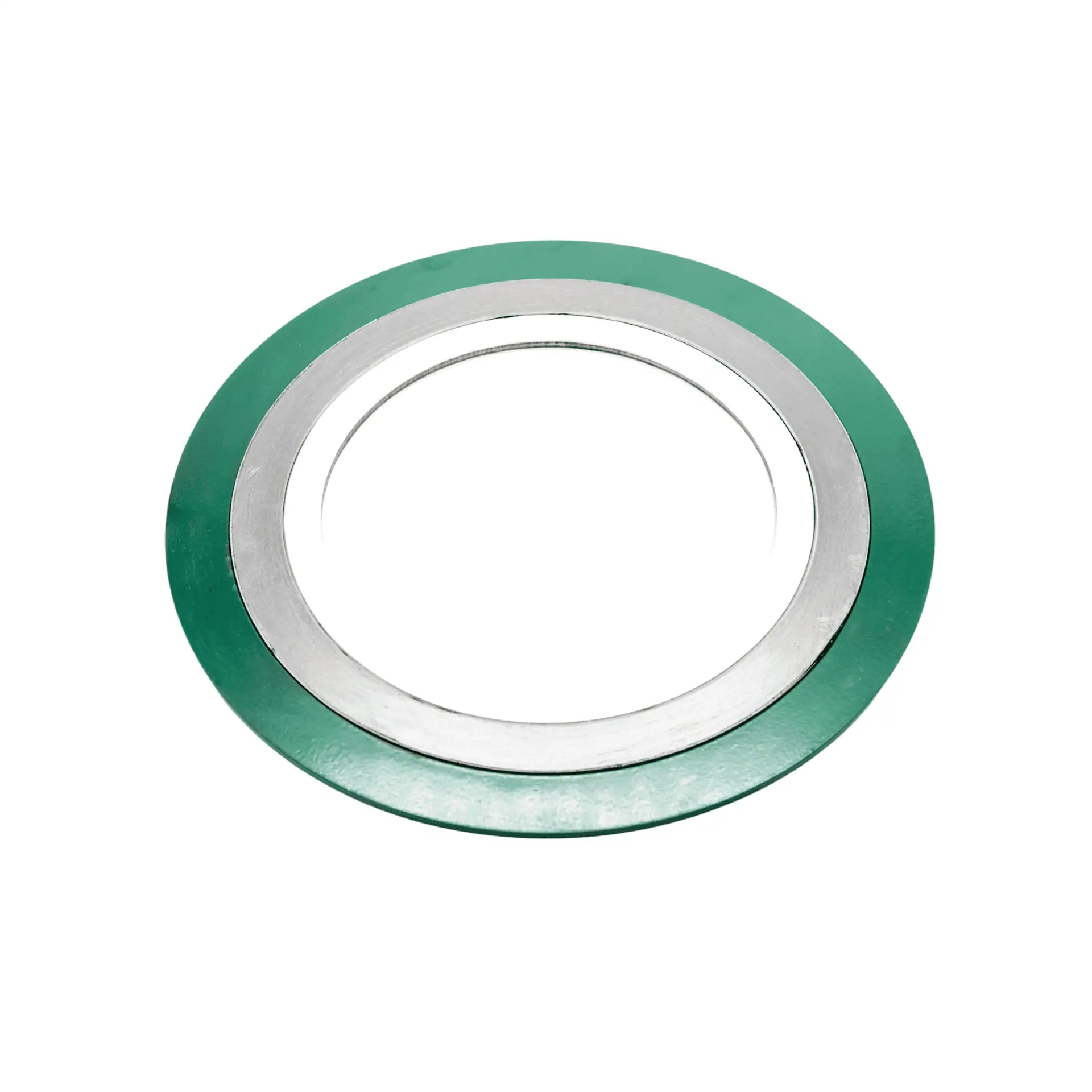
The inner ring of a standard Maxiflex can allow media to accumulate, which could promote corrosion. Maxiflex PRO prevents this; the conformable facing material enables the gasket seal at the flange bore, eliminating media build-up..
Features: Dual-Seal Mechanism: Combines a spiral wound element with a profiled inner ring to deliver superior sealing capabilities. Corrosion Prevention: The conformable facing material seals at the flange bore, eliminating media accumulation and potential corrosion between the flange and inner ring. Robust Construction: Suitable for high-pressure and high-temperature environments, ensuring reliability under demanding conditions. Versatile Applications: Ideal for use in aggressive chemical environments, including hydrofluoric acid services. Compliance: Manufactured in accordance with ASME B16.20 standards, ensuring quality and compatibility.
The Maxiflex PRO-X-2 offers an innovative sealing solution with an integrated dual-seal design and a protective outer guide ring. It is ideal for extreme applications and ensures long-term integrity in high-pressure, high-temperature environments. The Maxiflex PRO range is designed for seawater applications where the graphite cannot be exposed to the media.
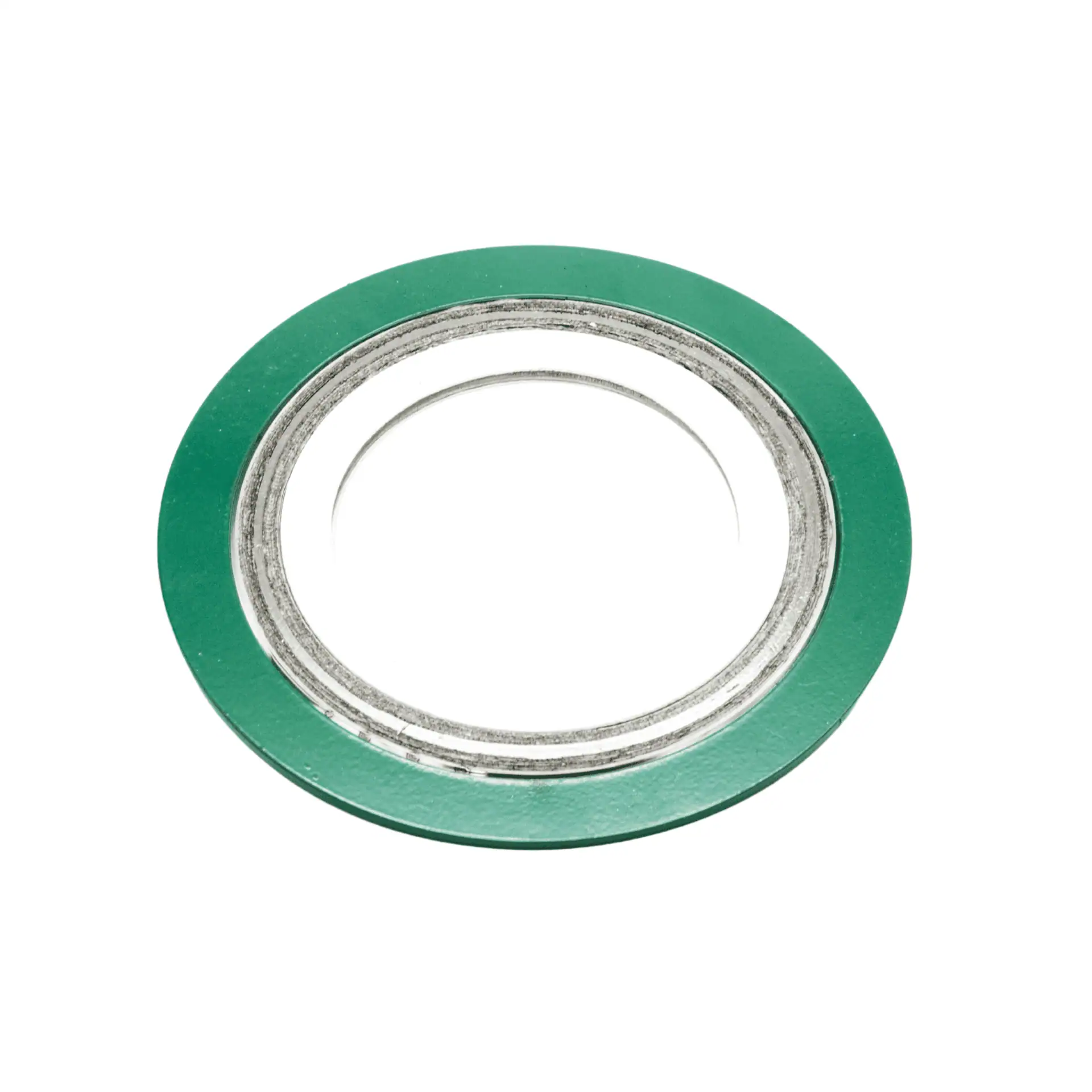
Maxiflex PRO-X incorporates a serrated PTFE-faced inner ring that seals with very low load. This offers exceptional sealing performance at the gasket bore to reduce crevice corrosion at the inner ring.
Features: Dual-Seal Performance. Combines a profiled inner ring and spiral wound sealing element for maximum leak prevention. Outer Ring Protection. Features a solid outer guide ring to protect the sealing element and aid in proper alignment during installation. Corrosion Control. Prevents media buildup and corrosion at the flange interface, maintaining long-term system health. Wide Chemical Compatibility. Suited for use in highly corrosive and aggressive chemical services. Standard Compliance. Manufactured to ASME B16.20 standards for quality and dimensional accuracy.
Spiral wound gaskets combine the ease of sealing of a graphite, PTFE or mica filler with the strength afforded by a specially profiled metallic, spring-like reinforcement. The sealing element is manufactured by interleaving plies of alternating metallic winding strip and filler to create a gasket that is robust and easy to install.
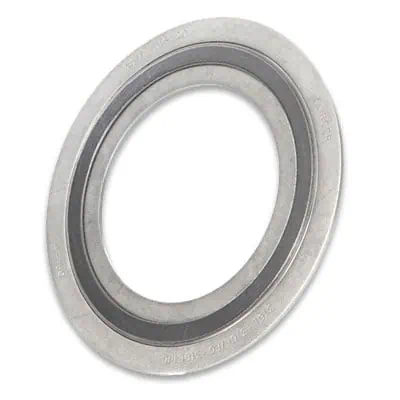
Maxiflex spiral wound gaskets can be manufactured from a wide range of metals to resist against chemical attack and temperature related degradation and used in combination with either graphite, PTFE or mica filler.
Properties of Maxiflex
Creates a very leak-tight, reliable seal. Suitable for high temperatures and pressures. Can be manufactured to suit standard flanges and also custom-designed vessels.
Maxigraph consists of a corrugated metallic core encapsulated by a graphite coating. It has been designed to seal on low load applications previously designed for Spiral Wound gaskets such as 150 and also 300lb lines.
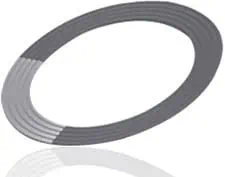
A robust and easy to handle gasket, the corrugations in the core develop high stress areas to produce a gasket with excellent gas-tightness at low bolt loads.
Properties of Maxigraph: Seals on low load applications. Available in a range of core materials – the standard being Stainless Steel 316
Maxiprofile grooved, covered metal gaskets consist of a serrated metallic core with a soft facing material. The Maxiprofile style gasket is mainly used in vessel applications where often the gasket width is limited. Maxiprofiles are also often used as an upgrade on applications currently using metal jacketed gaskets due to the improved leaktightness, ease of installation and the possibility of reuse.
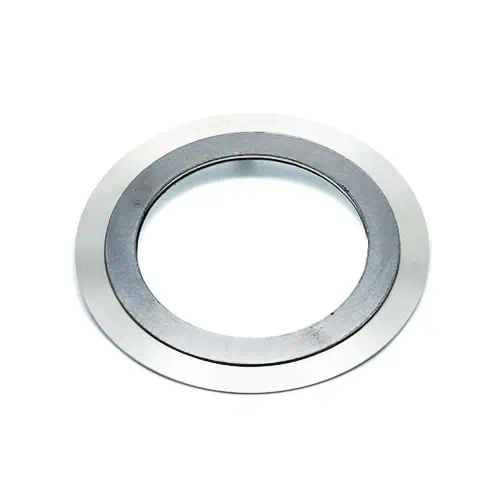
The depth and profile of the groove is specially design to facilitate densification of the facing material and create a very leaktight seal with low gasket stresses.
Maxiprofile gaskets are often used in heat exchangers and can be manufactured with many bar configurations.
Maxiprofile gasket cores can also be refurbished and reused.
Properties of Maxiprofile: Low sealing stress required for installation. Suitable for a range of chemicals. Suitable for use in high pressure and high temperature applications. Can be refurbished and reused. Can be manufactured to suit standard flange applications and vessels. Can be manufactured for use with narrow flanges.
The most basic type of semi-metallic gasket has a compressible insert enclosed within metallic jacket. The insert material forces the metal to deform to suit the flange surface and effect a seal.
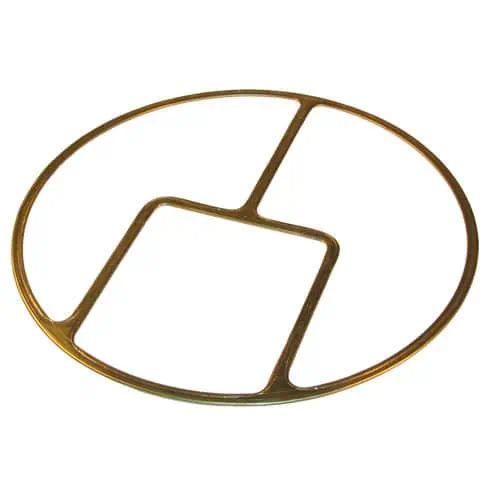
Metal jacketed gaskets are commonly used in heat exchangers though are often replaced by Maxiprofile style gaskets. Metal jacketed gaskets can be manufactured with a number of metals and high temperature fillers.
Properties of Metal jacketed gaskets: Economical. Can be manufactured to suit narrow flanges. Range of materials available.
RTJs are designed to be used in high pressure applications and can be manufactured from a number of materials to suit the process media and the flange materials.
.png)
RTJs are precision machined metallic rings which are designed to be used with API 6B, ASME B16.5 and API 6BX (dependent on the gasket style) flanges. RTJs are often used in offshore applications and certain styles can be adapted for subsea installation.
KLINGER hold a large range of RTJs in stock in a number of profiles and materials.
Properties of RTJs
Can be used for high pressures.
Wide range of materials available.
Maxiflex Pro
A high-integrity, dual-seal gasket specially designed for service in high-criticality, corrosive applications where sealing performance is of paramount importance. The inner ring of a standard Maxiflex can allow media to accumulate, which could promote corrosion. Maxiflex PRO prevents this; the conformable facing material enables the gasket seal at the flange bore, eliminating media build-up.
Maxiflex Pro
A high-integrity, dual-seal gasket specially designed for service in high-criticality, corrosive applications where sealing performance is of paramount importance. The inner ring of a standard Maxiflex can allow media to accumulate, which could promote corrosion. Maxiflex PRO prevents this; the conformable facing material enables the gasket seal at the flange bore, eliminating media build-up.Rubber-metal-gaskets are used where safe sealing of conventional up to special industrial media such as gases and liquids are required under usual installation conditions like temperatures, pressures and forces. KLINGER® KGS gaskets are suitable for all flange materials.Safe sealing of water, gas, air, acids, alkalis and hydrocarbons with low sealing forces at temperatures up to 200°C, depending on the elastomer type.Advantages:Suitable for temperatures up to 200 ° C (applies to FKM)Excellent for applications with flanges that have low surface pressures, poor and non-parallel flange surfaces. Suitable for water, gases, wastewater, chemicals, etc.
Common application areas are e.g. in treatment plants, waterworks, biogas plants and the chemical industry.
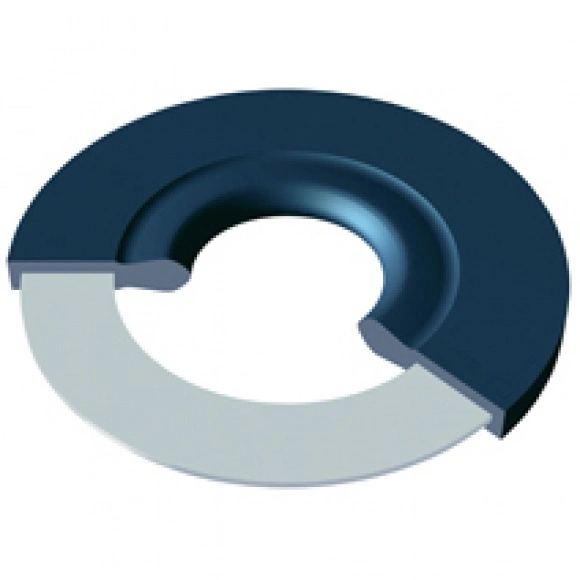
Stable gasket facilitates installation in vertical flanges or in systems with negative pressure.
Very suitable for flanges of plastic and fiberglass.
Available with gas approval (DIN-DVGW) and drinking water approval (KTW).
Specification: Elastomer with steel core. Available elastomers: NR, NBR, EPDM, CSM, FKM
The Safeguard has been developed by KLINGER as a solution to sealing corroded flanges which are particularly evident in the offshore environment. Routine inspection of flanges can be completed with the knowledge that the joint can be remade even if flange corrosion is evident.
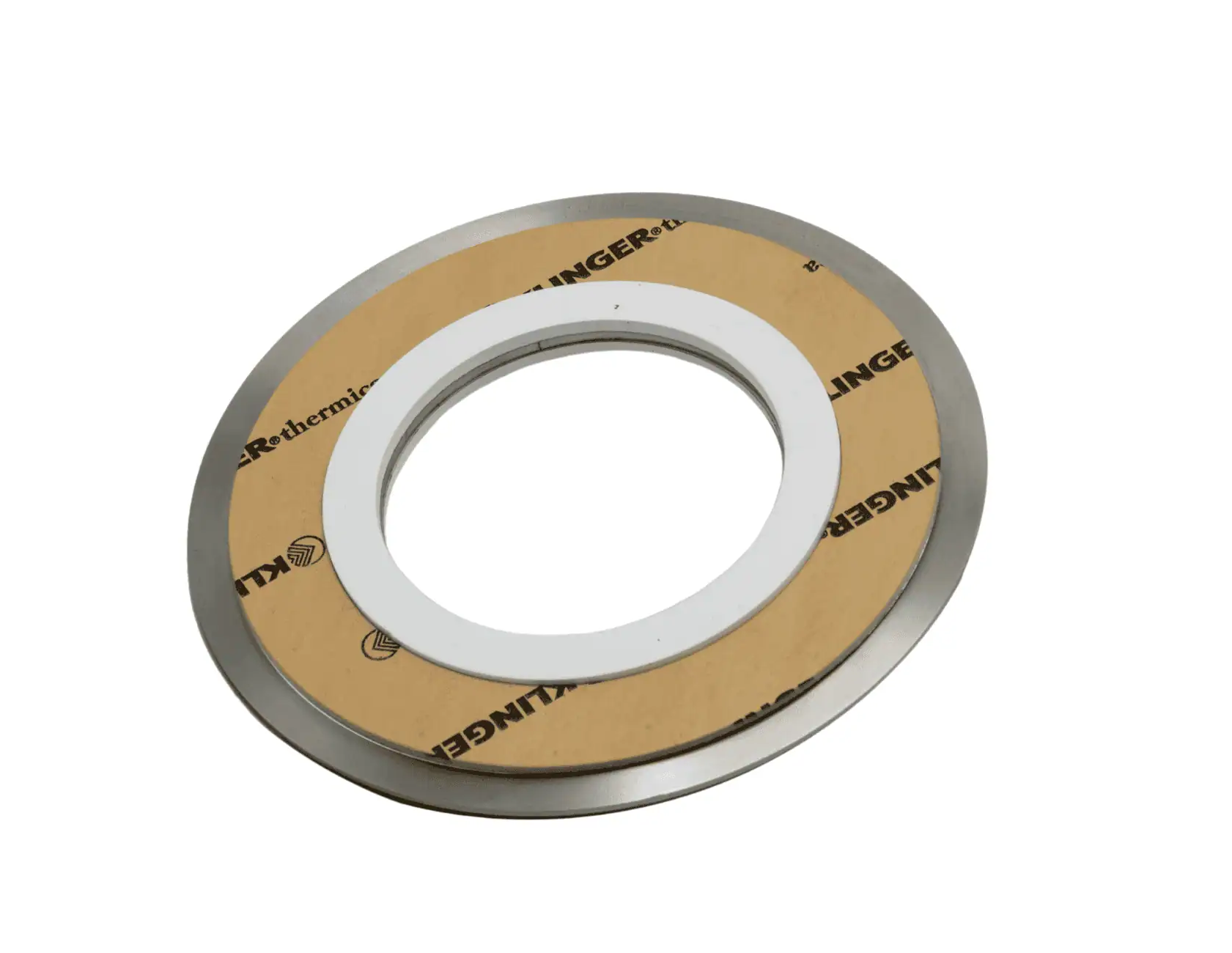
Consisting of a high precision , high strength metallic core faced with highly conformable multi-directional e-PTFE and Thermica API 6FB Fire Safe sealing faces.
Properties of the Safeguard
Highly conformable, dimensionally stable ePTFE seal.
Fire safe design.
Can be manufactured in a range of metallic cores including UNS S31254, UNS 32750 and INCONEL 625.
Allows leak testing on individual flanged joints without the need to pressurise the full system.
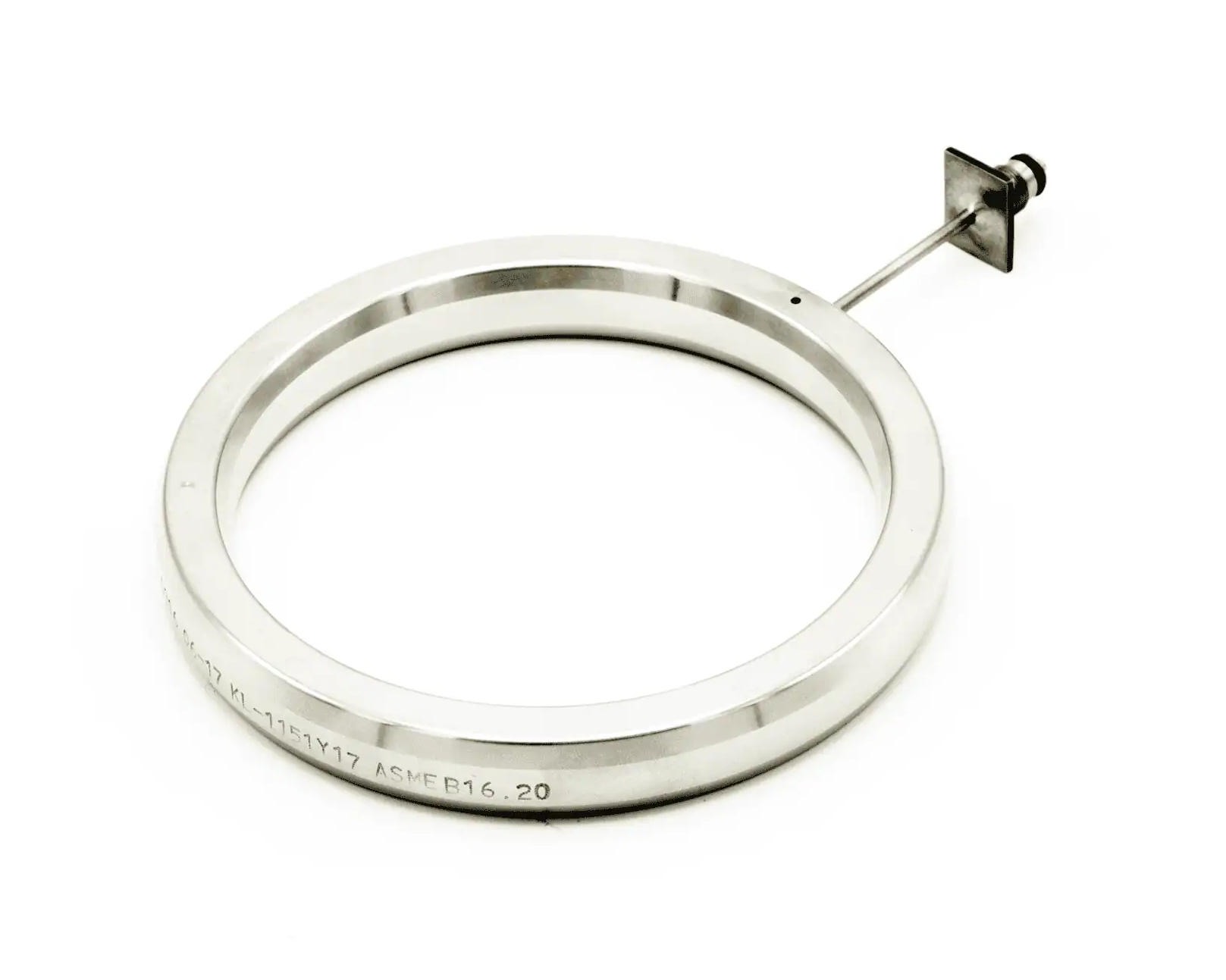
Speeds up the leakage testing reducing plant downtime.
Significantly reduces the volume of testing media required.
Validates individual joint integrity at installation reducing the need to re-visit the joint.
Joints can be tested and adjusted if leakage occurs, in one visit to the flange.
Why Choose Ashton Seals?
✔ UK-based supplier with extensive industry experience
✔ Wide stock availability and fast delivery
✔ Technical support to ensure correct product selection
Request a Quote
Need help choosing the right gasket?
Call: +44 (0) 1226 273700
Email: ask@ashton-group.co.uk
Frequently Asked Questions
1. What is the difference between metallic and semi-metallic gaskets?
Metallic gaskets are made entirely from metal and are designed for extreme pressure and temperature conditions. Semi-metallic gaskets combine metal with softer materials such as graphite or PTFE, offering improved flexibility and sealing performance.
2. Where are metallic and semi-metallic gaskets commonly used?
These gaskets are widely used in industries such as oil and gas, petrochemical processing, power generation, and marine applications where reliable sealing is required under harsh operating conditions.
3. What temperatures can metallic gaskets withstand?
Metallic gaskets can typically withstand temperatures ranging from -200°C to over 1000°C, depending on the material used. Semi-metallic gaskets also perform well across a wide temperature range while offering enhanced sealing adaptability.
4. What are spiral wound gaskets used for?
Spiral wound gaskets are commonly used in pipelines and flanged joints where there are fluctuations in pressure and temperature. They provide excellent resilience and are one of the most widely used semi-metallic gasket types.
5. Can metallic gaskets be custom made?
Yes, metallic and semi-metallic gaskets can be manufactured to custom sizes and specifications. This ensures optimal performance for specific applications, including non-standard flanges and specialised environments.